
Cruise ship fire highlights importance of emergency preparedness
A passenger recounts difficulties accessing a room safe during a cruise ship fire evacuation. The experience serves as a reminder of the challenges in securing essential items like passports and medication during emergencies.
First reported 1 hour ago · latest update 1 hour ago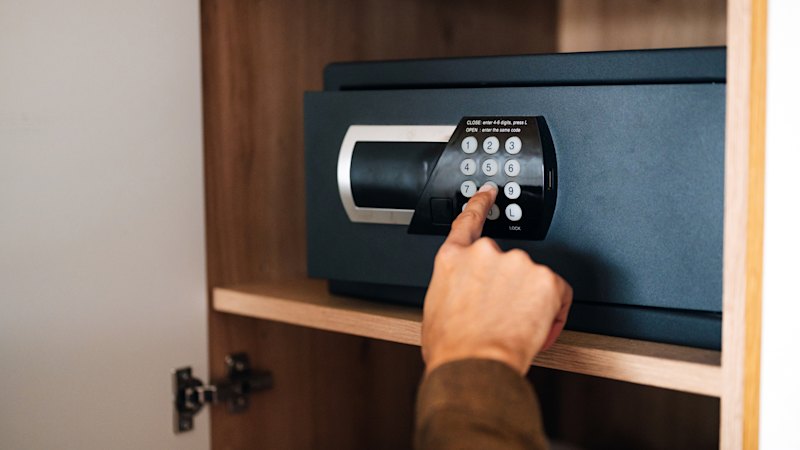
You have reached your maximum number of saved items.
Remove items from your saved list to add more.
You've used all of your gift articles. 3 more will become available on the 1st of every month.
I was once on a cruise ship when alarms went off in the middle of the night. The captain was shortly on loudspeaker informing us that a fire had broken out in a corridor.
We were advised to get dressed and gather our passports, money and critical medicines in case we needed to evacuate our cabins – or worse, the ship.
My only problem? All three of those things were locked in the safe and the electricity had either failed or, as a precaution, been turned off. I couldn’t get the safe open.
Fortunately, the fire was quickly contained, and I went back to bed. But I learnt a valuable lesson, and have slept with my safe unlocked since.
It seems like a great idea to secure your valuables, but the chance of being burgled while you’re in the room is remote. And while a fire, earthquake, flood or other emergency is unlikely, it can happen.
Sign up for the Traveller newsletter
The latest travel news, tips and inspiration delivered to your inbox. Sign up now.
You don’t want to be without passports and ready cash in that event. And you definitely don’t want to be without medicines, which in the case of diabetics or transplant recipients are vital.
Hotel safes are such ordinary, everyday objects we barely think about them. But I suggest you do. Don’t keep them locked overnight. Your valuables are just as secure on a bedside table.
I don’t even leave safes locked when I’m present in the room now. Opening safes has become an automatic action when I return to my accommodation.
A few other things to think about. Don’t use simple safe codes or numbers (such as your birthday) that the hotel will have on file. Do a practice lock and unlock before you put anything inside.
Hang the Do Not Disturb sign up when you’re out as an added layer of security, since potential thieves will assume you’re inside.
I learnt something else about safe usage from another mishap. I checked out of a hotel in Tokyo and only when I’d arrived at the train station did I realise I’d left my valuables behind.
I’d locked my safe to go down for breakfast, and departed immediately afterwards. In my rush, I overlooked my passport, wallet and laptop. Fortunately, I hadn’t already jumped on the bullet train. The room had yet to be serviced, and my valuables were retrieved.
So here’s something else I’d recommend. On the night before you check out, leave an obvious visual reminder that your safe needs emptying.
My method is to set a shoe on top of the safe. If it isn’t freestanding, I place the shoe in some other odd location – on the desk, or propped against the hotel door – to jolt my memory.
I’m a seasoned and organised traveller, and yet hotel safes have twice caught me unawares. True, only twice out of hundreds of safe uses over decades, but those two times had the potential to cause serious problems. Better to err on the safe side.
Citations · 2 reports from 2 outlets
Tap a citation to read it above, right here on T.A.M.
A cruise ship fire taught me a lesson about room safes
We were advised to gather our passports, money and critical medicines and get out. The only problem was I couldn’t get the room safe open.
1 hour ago · Brian JohnstonA cruise ship fire taught me a lesson about room safes
We were advised to gather our passports, money and critical medicines and get out. The only problem was I couldn’t get the room safe open.
1 hour ago · Brian Johnston