
Embattled cohealth spends $1m on wages, crisis comms
The not-for-profit health provider has been facing significant financial strain – but the remuneration of two senior staff equates to more than $800,000.
First reported 1 hour ago · latest update 1 hour ago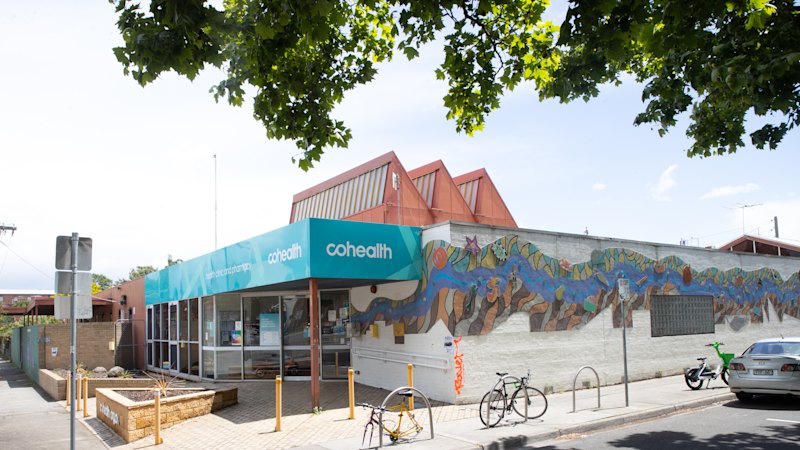
An embattled community health organisation is spending more than $1 million on two senior staff salaries and crisis communications – an amount almost equal to its recent government-funded emergency-bailout package.
Internal meeting minutes and communications from not-for-profit provider cohealth reveal the high level of spending, which occurred as the federal government pledged $1.5 million in crisis funding last November to help the organisation stay afloat.
The amount includes a $3000-a-day remuneration for its transition chair, who works two days a week, and a $488,000 annual salary for its interim chief executive, as well as $288,000 on external crisis communications over an eight-month period, according to an insider with knowledge of the remuneration packages not authorised to speak publicly.
Cohealth is a prominent local provider that operates general practitioner, counselling and pharmacy services for low-income residents across Collingwood, Fitzroy and Kensington. But the organisation has been grappling with severe financial and management issues.
Last October, it announced the axing of free medical services and the planned sale of its Collingwood clinic in an attempt to lower costs. But a last-minute funding pledge from the Albanese government following extreme community backlash put a pause to the proposed cuts.
The transitional chair salary was specified in an internal document written during the appointment process, which laid out a possible weekly remuneration range of between $5000 and $7000 per week for the part-time position.
The successful applicant, Paul Geyer, was appointed in August. He ultimately accepted a salary of $3000 per day for two days of work – or $6000 per week – according to internal communications. Internal communications also confirmed the $488,000 annual total remuneration package for interim chief executive Kate Gillan who was appointed on August 1 for a nine-month contract.
It is not customary for a board chair at a not-for-profit organisation to be paid such a high amount, according to the national regulator of charities and Victorian government guidelines.
The Australian Charities and Not-for-profits Commission (ACNC) website explains that most charities do not provide payment to board members, but clarifies the practice is not prohibited, particularly at large organisations where the role is more complex.
In its most recent AGM minutes from 2024, fellow community health organisation Holstep Health sets its annual board chair sitting fees between $14,626 and $30,978 – in line with the “medium-size organisations” band of the Victorian government’s board remuneration guidelines.
In the 2025 annual report of Peninsula Health – a major public healthcare service that oversees the new Peninsula University Hospital in Frankston – the highest-paid responsible person received between $430,000 and $439,999, while the next highest received between $80,000 and $89,999.
While specific wages aren’t disclosed in public documents due to privacy concerns, in most organisations these remuneration amounts would represent that of the chief executive and the board chair, respectively.
Geyer referred The Age to cohealth’s statement. Gillan was approached for comment.
A spokesperson from cohealth said the amount spent on its chief executive, chair and crisis communication costs were inaccurate, but did not respond to follow-up questions as to which figures were inaccurate or what figures would be correct.
“The reported figures are not accurate, but cohealth was provided with independent advice on the remuneration of executive and board roles, and they are consistent with other independent community health providers and align with the public sector,” they said.
The unnamed internal source said the amount paid to Geyer and Gillan was completely inappropriate for a not-for-profit experiencing financial strain.
“ They’re extracting money from an organisation whose purpose is to serve the community’s most vulnerable,” the source said.
An independent report released by the federal government earlier this year provided a scathing review of the community health service, citing severe financial and management failures. A board monitor was appointed at the organisation in August for a 12-month term.
The cohealth spokesperson said the organisation had been working hard alongside state and federal governments, its staff and wider community to rebuild trust following the governance issues raised in the review.
“Significant work is already well underway – including strengthened governance, significant leadership renewal, and additional oversight measures – to create the foundation for stronger, more sustainable community healthcare services for many years to come,” they said.
Greens MP for Richmond Gabrielle de Vietri said cohealth’s leadership needs to remain accountable to the wider community.
“If public funding intended to save frontline healthcare was instead being swallowed up by executive and board salaries, that would not pass the pub test,” de Vietri said.
“The community needs transparency about appointments, remuneration, government involvement and what is planned for cohealth’s model of care.”
The state government announced on Monday it would fund the redevelopment of cohealth’s Hoddle Street clinic in Collingwood, as well as building 69 new community housing dwellings on the site.
The project’s estimated cost will be announced following a Housing Australia Future Fund assessment process. Construction at the site is expected to start late next year, with the development expected to be completed by mid-2029.
Health Minister Ingrid Stitt said that the government was continuing to work with cohealth to “monitor performance and support strong governance”.
“We’ve also saved cohealth’s Collingwood site so it can continue delivering the healthcare and support local residents rely on,” she said.
De Vietri said the funding announcement was a victory for the local community, who have “refused to let Labor abandon cohealth”.
“As the local MP, I’ll keep fighting alongside the community to make sure Labor delivers every cent, protects cohealth’s services and never again leaves its future hanging by a thread,” she said.
Start the day with a summary of the day’s most important and interesting stories, analysis and insights. Sign up for our Morning Edition newsletter.
You have reached your maximum number of saved items.
Remove items from your saved list to add more.
Citations · 2 reports from 2 outlets
Tap a citation to read it above, right here on T.A.M.
Embattled cohealth spends $1m on wages, crisis comms
The not-for-profit health provider has been facing significant financial strain – but the remuneration of two senior staff equates to more than $800,000.
1 hour ago · Gemma GrantEmbattled cohealth spends $1m on wages, crisis comms
The not-for-profit health provider has been facing significant financial strain – but the remuneration of two senior staff equates to more than $800,000.
1 hour ago · Gemma Grant