
‘All we could see was red’: The wildfires choking Indonesian Borneo
For months, millions of people have been living under a stifling blanket of toxic haze, fuelled by a punishing drought brought on by the El Nino weather pattern.
First reported 1 hour ago · latest update 1 hour ago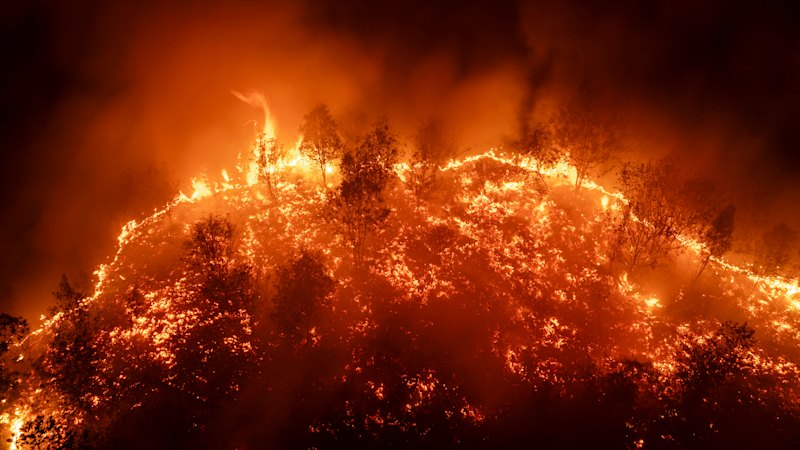
Pontianak, Indonesia: Staring out at the charred cemetery about 30 metres behind his house in Indonesian Borneo, Trovimus Akoi told of the sleepless Sunday night he spent battling an inferno far too close to home.
He first spotted the wildfire about half a mile away while feeding his chickens. Within hours, the fire tore across the parched terrain at terrifying speed. As the blaze closed in on his community, he and his neighbours armed themselves with hoses, buckets and hand pumps and started a desperate fight to save their homes. With the canals and ponds completely dried up by a drought, they dug three-metre-deep holes into the earth in search of groundwater.
“The flames were about 10 metres high, and all we could see was red,” Akoi told me when I visited him last week, pointing to the goosebumps rising on his arms. “The smoke was so thick and wind was so strong. Our lungs hurt, our eyes burned, but we had to keep going.”
Although they eventually received help and saved their homes, what Akoi, 38, and his neighbours battled in late August was more than a natural disaster – it was also a human-made calamity produced by years of deliberate land clearing for cash crops, including timber and palm oil.
He lives in Kubu Raya regency in West Kalimantan province, which contains millions of acres of peatlands, a kind of wetland. Across Indonesia – which shares the island of Borneo with Malaysia and Brunei – the conversion of these bogs into farmland has dried them out and transformed them into tinderboxes. So far this year, wildfires have incinerated tens of thousands of acres in this province alone, fuelled by an unforgiving drought brought by a powerful El Nino climate shift.
In Pontianak, the provincial capital, Tresna Waniati, a 33-year-old volunteer firefighter, was ready for her next deployment despite having just been discharged from the hospital for a severe respiratory infection. For the past three months, she had been inhaling carbon-choked air while battling the wildfires, leaving her four-year-old son at home with her parents. To reach the remote fire hotspots, she navigated rugged terrain on her motorcycle, which was weighed down by water pumps, cans of fuel and rolls of hoses.
Citations · 2 reports from 2 outlets
Tap a citation to read it above, right here on T.A.M.
‘All we could see was red’: The wildfires choking Indonesian Borneo
For months, millions of people have been living under a stifling blanket of toxic haze, fuelled by a punishing drought brought on by the El Nino weather pattern.
1 hour ago · Muktita Suhartono‘All we could see was red’: The wildfires choking Indonesian Borneo
For months, millions of people have been living under a stifling blanket of toxic haze, fuelled by a punishing drought brought on by the El Nino weather pattern.
1 hour ago · Muktita Suhartono