
Paramedics to lead mental health emergencies, as police take back seat
Though welcomed by the sector, questions remain about whether additional expert-trained staff and resources will be provided as part of the new protocol.
First reported 2 hours ago · latest update 2 hours ago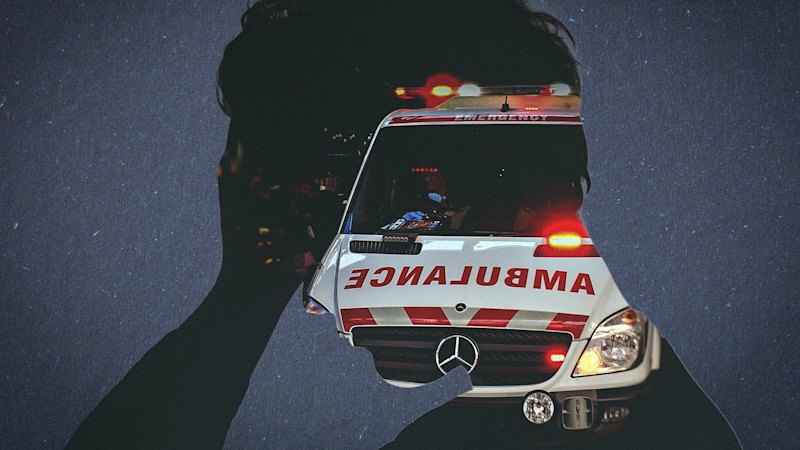
Police will take a back seat during mental health emergency callouts and allow paramedics and health specialists to lead responses under a new agreement intended to better safeguard thousands of highly vulnerable people.
The new protocol signed by Victoria Police, Ambulance Victoria and the Department of Health will mean about 60,000 mental health emergency callouts a year will now be treated with a “health-led” response, rather than being considered primarily as law-and-order matters.
The move, which Mental Health Minister Ingrid Stitt will today announce, is an attempt to clarify the role of emergency responders amid mounting concerns that police-led responses have resulted in poor outcomes for people in crisis, dangerous escalations in behaviour, and grave concerns outlined by the Victorian Royal Commission into Mental Health.
Though the change will partly address a key recommendation of the royal commission, questions remain about whether additional expert-trained staff and resources will be provided as part of the new protocol.
Victorian Ambulance Union secretary Danny Hill said the union and the workforce had not been consulted and would have concerns, particularly about specialist resourcing to handle acute calls.
“We have always supported a health-led response to mental health patients. That’s CAT [crisis assessment and treatment] teams and mental health outreach. Not ambulance paramedics. We don’t have enough resources for the current workload, let alone taking responsibility for all mental health cases,” Hill said.
Mental Health Victoria chief executive Phillipa Thomas welcomed the changes, but similarly said mental health services still need significantly more funding, staff and space to support the sector.
“For mental health services, the challenge to meet continued high demand and acuity within limited resources means that responding to unplanned situations like a person needing to be returned to care can be almost impossible. There’s simply no available resource or time,” she said.
The lack of clarity around where responsibility lies “has had an impact on the timeliness and quality of people’s care”.
Thomas said this was why she had called for an urgent reset of the agenda for mental health reforms, with the priority to ensure every local health service has the resources and infrastructure to support a health-led response to crises.
“Health services have reported delays in people receiving urgent treatment, distress for staff, families and carers where there have been concerns about a person being vulnerable to harm, and it has created a lot of unhelpful tension between agencies already working under extreme pressure.”
The final report of Victoria’s mental health royal commission highlighted concerns from patients, carers and service providers about the growing involvement of police in responding to mental health cases, and called for an overhaul of Triple Zero responses.
Last year, Victoria Police responded to 59,014 mental health-related callouts – equivalent to one every 10 minutes.
A police spokesperson said under the changes, officers would continue to be responsible for public safety and responding to immediate risks, but would attend mental health callouts to support paramedics when needed rather than leading the initial response.
Under the new arrangements, police and protective services officers retain the power to take a person into care during a mental health crisis to prevent imminent and serious harm to them or others.
“This reinforces the preference for a health-led response wherever possible, with police involvement only to be requested as a last resort,” the police spokesperson said.
“The protocol outlines how mental health clinicians, police and paramedics can best work together for the benefit of patients using the least restrictive means necessary.”
Health agencies will also lead the response in instances where patients have absconded from mental health units, or in cases where they are subject to compulsory treatment orders, with police providing support only when needed.
The agreement covers interactions between police, PSOs, Ambulance Victoria paramedics, mental health clinicians and health professionals in responding to crisis callouts and emergency responses, and may include support from a patient’s family members or carers.
People in mental health crisis will also be transferred to hospitals via mental health services, non-emergency patient transport or ambulances, rather than the back of a police car wherever possible under the new arrangements.
A spokesperson for Ambulance Victoria said the clearer guidance spelt out in the new protocol was welcome.
“The agreement puts patient care and welfare first and provides clarity to our paramedics and first responders attending mental health calls, to ensure patients are supported in the least restrictive way that is safe and reasonably practicable,” the spokesperson said.
“Ambulance Victoria is developing further resources to support our paramedics and first responders, which will complement existing clinical practice guidelines and other procedures.”
However welcome, the new response protocols still fall short of the royal commission’s full recommendation for paramedics to become first responders to Triple Zero calls for mental health crises.
That policy was recommended in 2021 and had an original start date of September 2023, which was pushed back to 2027 last year – a four-year delay on the original timeline.
Since the royal commission, the government has provided $7.5 million over two years to design and develop the program in the 2021-22 budget, and an extra $11.5 million was allocated in 2023-24 to plan and design services.
While most groups agreed that a health-led approach was needed, Ambulance Victoria had previously pushed back on the timeline as it sought to recover from the higher workloads of the pandemic.
“The priority needs to be our members’ safety,” Hill said of Victoria’s ambulance workers. “They are too often exposed to occupational violence as it is. Mental health cases can be extraordinarily dangerous scenes to approach and should always involve police.”
Minister Stitt said that the changes would ensure paramedics, mental health workers and police would step in to deliver a health-led response centred on individual patients.
“When someone is experiencing a mental health crisis, they deserve a response that puts their health and wellbeing first while keeping them and the community safe,” the minister said.
“Wherever and whenever possible, police and PSOs will be required to support a health-led response.
“This means working closely with health services and Ambulance Victoria to consider relevant clinical advice about a person’s mental health and level of risk.”
Police Minister Paul Edbrooke said transitioning to a health-led response would also free up police and PSOs so they “can be on the beat, fighting crime”.
Start the day with a summary of the day’s most important and interesting stories, analysis and insights. Sign up for our Morning Edition newsletter.
You have reached your maximum number of saved items.
Remove items from your saved list to add more.
Citations · 2 reports from 2 outlets
Tap a citation to read it above, right here on T.A.M.
Paramedics to lead mental health emergencies, as police take back seat
Though welcomed by the sector, questions remain about whether additional expert-trained staff and resources will be provided as part of the new protocol.
2 hours ago · Grant McArthur, Kieran RooneyParamedics to lead mental health emergencies, as police take back seat
Though welcomed by the sector, questions remain about whether additional expert-trained staff and resources will be provided as part of the new protocol.
2 hours ago · Grant McArthur, Kieran Rooney