
Guidance on addressing iron deficiency
Iron deficiency is described as a common health issue that impacts immune function and oxygen utilization. The reports provide information on daily recommended intake and methods for increasing iron consumption.
First reported 1 hour ago · latest update 1 hour ago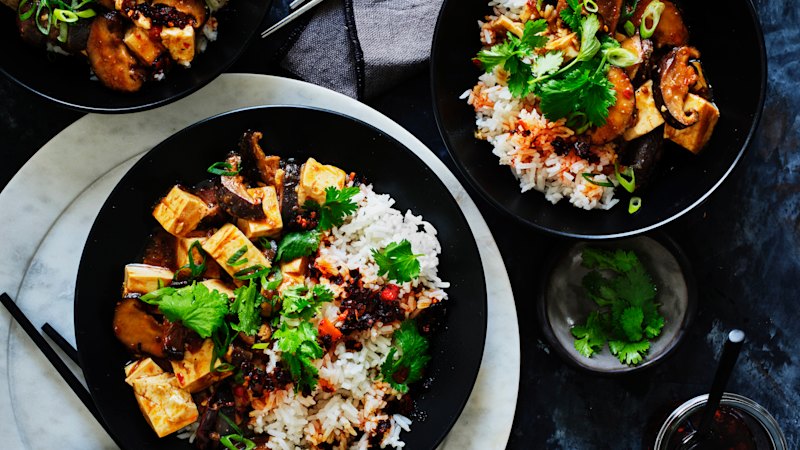
Getting enough iron is essential for good health. Yet many people don’t get enough, with iron deficiency considered the most common nutritional deficiency leading to anaemia, which affects an estimated 30 per cent of women aged 15 to 49 years globally, according to the World Health Organisation.
Failing to get enough of this crucial mineral can lead to serious health problems. You need iron to produce neurotransmitters like dopamine and serotonin. Your immune system needs iron to fight infections, and your body uses iron to make hemoglobin, the protein in red blood cells that carries oxygen from your lungs to other organs and tissues.
Our bodies can’t make iron. So you have to get it by eating the right foods, which include meat, seafood, leafy greens, nuts and seeds, beans and whole grains.
If you’re not eating enough iron on a daily basis, you may not notice any symptoms right away. But over the long term, low iron levels can cause your body’s production of red blood cells to drop, leading to anaemia. This can make you feel constantly weak and fatigued. You may also experience headaches, dizziness, shortness of breath and a fast or irregular heartbeat.
For most people, there’s an easy way to make sure you’re getting enough iron, and it doesn’t necessarily require taking supplements. Here’s how much iron you need daily, along with some simple ways to get more of it in your diet.
The best recipes from Australia's leading chefs straight to your inbox.
In general, health authorities recommend that adults get anywhere from 8 to 27 milligrams of iron on a daily basis.
Men need a minimum of 8 mgs per day, as do women who are 51 or older. But women between the ages of 19 and 51 need more – approximately 18 mgs per day – to help replace the iron that they lose through their periods.
Pregnant women need even more iron – at least 27 mgs daily – and those who are breastfeeding should get 9 mgs.
But there are some caveats. The iron in food comes in two forms, heme iron and non-heme iron. Heme iron is more easily absorbed by your body, and it’s found only in animal foods like red meat, poultry and seafood. Plant foods such as beans, nuts and vegetables contain non-heme iron, which is not as easily absorbed. Because of this, health authorities say that daily iron requirements are 1.8 times higher for people who follow vegan and vegetarian diets compared with people who eat red meat and other animal foods.
You may also need more iron than normal if you exercise a lot. In fact, studies have found that people who are physically active are more likely to be iron deficient than people who are sedentary.
How much iron you need will depend on how much you exercise. If you’re training for a marathon or a triathlon for example, then you may be at high risk of an iron deficiency. “But if you’re exercising moderately, you have a moderate risk,” said Amy Stephens, a sports dietitian at New York University who writes a blog on nutrition. And if you run or play sports a couple times a week, then your risk will be lower.
If you’re not getting enough iron, you may experience some of the following symptoms:
If you notice any of these symptoms, consider seeing a health care provider. They can order a serum ferritin test to check whether your body’s iron reserves are depleted. They can also check your haemoglobin and red blood cell levels to see if you’re anaemic.
If your iron levels are very low, then your health care provider might recommend you take an iron supplement. But for many people, a simple way to boost your iron levels is to evaluate your diet and make some changes.
“Before jumping to supplements, fix the foundation,” Stephens said. “Look at food first.”
These animal foods are good sources of heme iron:
Many plant foods are rich sources of non-heme iron, such as:
Vitamin C significantly increases your body’s absorption of non-heme iron. So, consider pairing plant sources of iron with foods that are rich in vitamin C, such as red and green peppers, broccoli, kale, Brussels sprouts, strawberries, blueberries and citrus fruits.
That could be as simple as having a small glass of orange juice with your meal, squeezing a bit of lemon juice on your food or having some sliced red peppers with your lunch or dinner.
Try adding a few of the following recipes to your weekly meal rotation. They feature ingredients that are high in iron, as well as fibre, protein, vitamins and other important nutrients.
You have reached your maximum number of saved items.
Remove items from your saved list to add more.
Citations · 2 reports from 2 outlets
Tap a citation to read it above, right here on T.A.M.
Iron deficiency is surprisingly common. Here’s how to boost your intake
Iron supports your immune function and your body’s ability to use oxygen. Here’s how much iron you need daily, along with some simple ways to get more of it in your diet.
1 hour ago · Anahad O’ConnorIron deficiency is surprisingly common. Here’s how to boost your intake
Iron supports your immune function and your body’s ability to use oxygen. Here’s how much iron you need daily, along with some simple ways to get more of it in your diet.
1 hour ago · Anahad O’Connor