
Brazil Presidential Election Heads to Runoff
Brazil's presidential election will proceed to a runoff following the first round of voting. Outlets disagree on the specific candidates leading the race, with reports citing different figures as the frontrunners.
First reported 5 hours ago · latest update 2 hours ago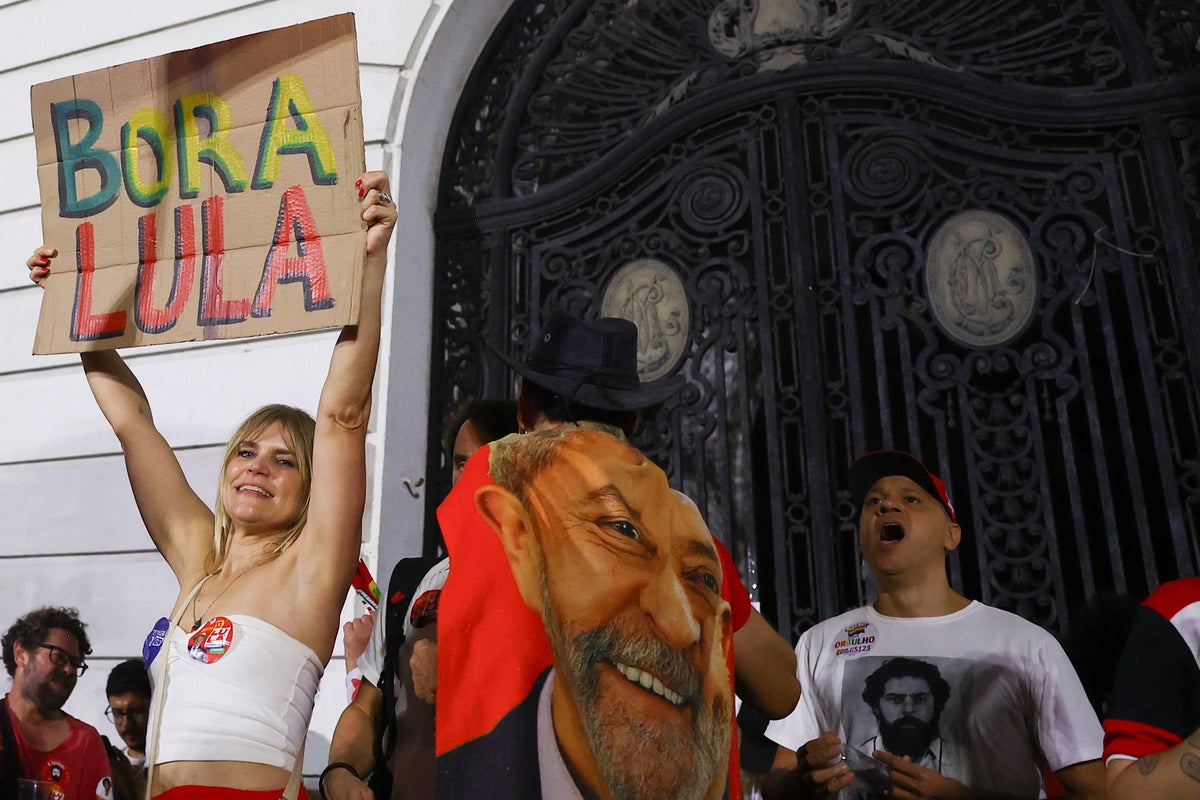
Millions of Brazilians voted in the first round of voting for the Presidential elections on Sunday, with right-wing Senator Flavio Bolsonaro, son of former president Jair Bolsonaro facing the incumbent Luiz Inacio Lula da Silva. A second round of voting will be held later this month after Bolsonaro's stronger-than-expected performance.
Bolsonaro narrowly led the winning margin by 47% while Lula da Silva had 45% of the vote share. Bolsonaro lacked the outright majority needed to win the election. The runoff election will be held on October 25. “Brazil wants change and I am very happy with the results,” Bolsonaro told reporters in Brasilia after almost all votes were counted.
He declared the result marked “the end of the era” of Lula’s Workers’ Party. The election was focused on the cost of living, corruption and insecurity. Brazil’s currency and stock market have also risen. Flavio Bolsonaro is the son of right-wing former President Jair Bolsonaro, who is serving a 27-year sentence after being convicted over a plot to overturn the 2022 election result.
Also Read | Trump’s Brazil blooper: ‘125 million voted in India’s Presidential Election’ Lula da Silva, while speaking to supporters at a hotel in Sao Paulo, said he had expected to win in the first round. He said he would restart his campaign the next day and promised to highlight his record in office.
Pre-election private surveys had projected Lula to lead by around three percentage points. Bolsonaro told Reuters before voting that he was counting on a “protest vote” from people opposed to Lula, even if they had initially planned to support other candidates. A voter and lawyer by profession, Thaise Lima, 41, said her priority was ending the Workers’ Party’s rule, while a voter Fernando Tempel, 49, said he switched to Bolsonaro after initially backing former Minas Gerais governor Romeu Zema, belonging to the New Party.
As per a report by Reuters, economic concerns dominated the election, with Lula struggling to win over voters facing high living costs, household debt and rising gang activity despite falling inequality and unemployment. Flavio Bolsonaro sought to capitalise on cost-of-living pressures, while Lula moved to ban online gambling, expand welfare measures and propose debt relief for families.
Rising spending and public debt above 82% of GDP have also raised fiscal concerns, with the government cutting its growth forecasts to 2% this year and 2.3% next year. The Banco Master case, involving an alleged multibillion-dollar fraud, drew in political figures including Bolsonaro, who is being investigated over suspected money laundering and has denied wrongdoing.
Campaign debate was overshadowed by scandals and allegations of foreign interference in the elections. On the other hand, Lula’s allies also warned that the Trump administration could refuse to recognise the election result if he wins. US President Donald Trump has not endorsed a candidate but hosted right-wing senator Flavio Bolsonaro at the White House and praised him publicly.
Brazilian intelligence officials also briefed French and German officials on alleged US and Russian interference in the elections. The United States has rejected these allegations.
Citations · 2 reports from 2 outlets
Tap a citation to read it above, right here on T.A.M.
Brazil election heads to runoff as Flavio Bolsonaro leads against Lula, second round of voting on Oct 25
2 hours agoBrazil heads to runoff as Bolsonaro leads Lula in first round of presidential election
Liberal Party makes major gains as the right strengthens grip on Congress
5 hours ago · Lisandra Paraguassu