
From salt to miso, these hyper specialised Japanese food shops sell only one thing
Discover a Tokyo store selling 600 salts, a Kyoto business championing regional miso, a fifth-gen roaster that’ll change your life. Bookmark this for your next trip.
First reported 1 hour ago · latest update 1 hour ago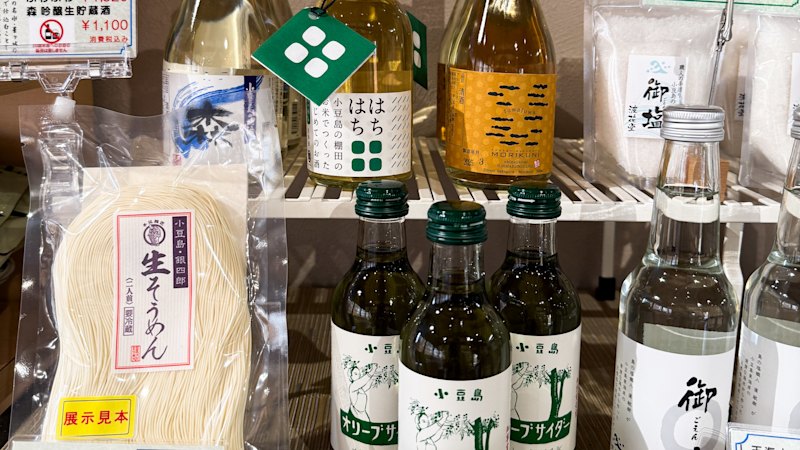
Step inside these hyper-specialised food shops to discover how one ingredient can unlock a dizzying magnitude of possibilities.
The rainbow of salts at this futuristic-looking store ranges from snow-white grains to paprika-warm shades, coarsely speckled greys and light-pink powders. There are salts for adding to rice, pork and desserts – as well as lollies, sodas and other treats flavoured with this essential mineral. In fact, the store stocks 600 variations and you can book a tasting where you get to try five, that are presented on sci-fi-style cubes of blue jelly.
You have the opportunity to create a custom salt blend, based on cooking, flavour and texture preferences. My seasoning was optimised for vegetables and had a yuzu-yellow tint and an umami taste, with sizeable crystals I could crumble between my fingers.
Restaurant reviews, news and the hottest openings served to your inbox.
As you mix your blend you’re encouraged to say “guruguru shakashaka”, which isn’t just the shop’s name but a Japanese phrase for mixing and shaking. You can savour your custom seasoning immediately by sprinkling it on Guruguru Shakashaka’s fancy buttered toast. It also comes with its own code, so you can reorder it when you run out.
If you’re still craving a sodium hit, drop by its neighbouring sister store, which specialises in endless varieties of umeboshi (salted plums) from different parts of Japan. Some are even grilled, sweetened with honey or drizzled with olive oil.
Tokyo Solamachi 4th Floor, 1-1-2 Oshiage, Sumida-ku, Tokyo, guruguru-shakashaka.jp
Established in 1883, Wadaman is run by fifth-generation owner Takehiro Wada, who continues his family’s rigorous approach to sesame seeds. Considered Japan’s finest sesame roaster, he cleans the seeds 13 times and roasts them three times to create finely calibrated seeds that have a depth of flavour. You might have eaten them in Australia – importer Fino Foods brings a selection here, and Wadaman’s golden seeds flavour dishes at top local restaurants. But to fully experience the ingredient’s many wonders, visit its Osaka shop, which sells more than 100 products.
Walk past the cute mascot (Gomayan, a giant sesame seed that once released his own music) to find sesame in all its glory including coated in chocolate, pressed into oil, pastes, tantanmen (spicy noodles) with a sesame soup base, and mixed through furikake (rice seasoning) that’s flavoured with ingredients like sansho pepper, shiso, miso, yuzu and chilli pepper.
In the cafe next door you can enjoy it sprinkled over highly scoopable golden sesame ice-cream – or try deeply flavoursome black sesame lattes and other treats made with this headline ingredient.
9-5 Sugaharacho, Kita Ward, Osaka, wadaman.com
In an era of instant convenience and standardised supermarket flavours, Kuradai Miso stands out for supporting the slow craft of making miso, and the rural breweries maintaining this culture.
Run by Yuzo Tsuchiya (who is from a miso-making family), this Kyoto shop showcases the fermented paste’s regional diversity and local nuances, from sweet barley miso from the southern prefecture of Kagoshima to the rich rice miso from Hokkaido in the country’s north.
The store presents its varieties like an ice-cream store – ready to scoop your choice upon request. There are 10-grain miso from Nagano, a rare barrel-aged vintage that’s black and salty from Aichi, a Nagasaki barley miso that doubles as a vegetable dip, and a red variety from Niigata developed from sweet glutinous rice. The shop also sells other miso-powered goods, such as a black mapo tofu mix for mince or eggplant, ginger sauce for marinades, and mayonnaise flavoured with the fermented paste.
106 Horinouecho, Nakagyo Ward, Kyoto, kuradai-miso.com
You might not associate Japan with olives but the fruit has been thriving in Shodoshima for the last century – thanks to its Mediterranean-like setting. The island is in Japan’s Seto Inland Sea and home to a 1000-year-old olive tree from Spain and a Greek windmill in Shodoshima Olive Park – a cultural symbol of Milos, its sister island in the Aegean Sea. But the best way to experience these Japanese olives might be through Shodoshima’s traditional hand-stretched somen noodles.
Head to Ginshiro and you can enjoy the strands subtly flavoured with this signature ingredient and local olive oil for dipping noodles into. The gift shop sells olive-enhanced noodles, a range of the island’s olive oils (Toyo’s bottles are wonderfully fruity) and even refreshing local olive cider for you to take as a souvenir.
5165-94 Ko, Tonosho-cho, Shozu-gun 761-4101, Kagawa (Shodoshima), bettei- ginshiro.jimdosite.com
You have reached your maximum number of saved items.
Remove items from your saved list to add more.
Citations · 2 reports from 2 outlets
Tap a citation to read it above, right here on T.A.M.
From salt to miso, these hyper specialised Japanese food shops sell only one thing
Discover a Tokyo store selling 600 salts, a Kyoto business championing regional miso, a fifth-gen roaster that’ll change your life. Bookmark this for your next trip.
1 hour ago · Lee Tran LamFrom salt to miso, these hyper specialised Japanese food shops sell only one thing
Discover a Tokyo store selling 600 salts, a Kyoto business championing regional miso, a fifth-gen roaster that’ll change your life. Bookmark this for your next trip.
1 hour ago · Lee Tran Lam